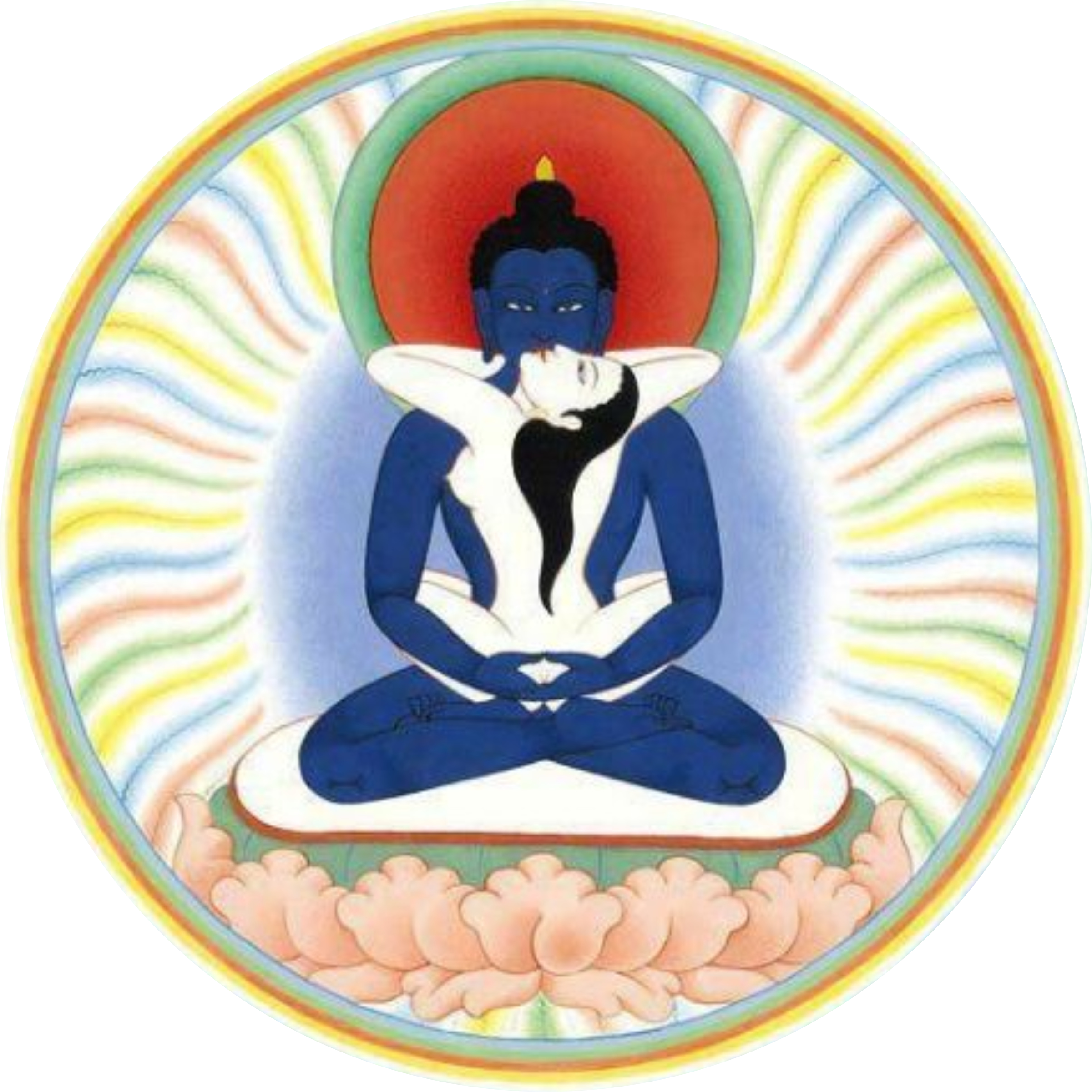
Kuntuzangpo
Kuntuzangpo (Samantabhadra) is not first in time but beyond time. He represents ye nas lhun grub—primordial, spontaneous presence that was never created or corrupted. In Dzogchen, enlightenment is not achieved; it is recognized.
He symbolizes rigpa, naked self-knowing awareness beyond subject and object. Thoughts and emotions are like clouds in the sky—appearing, yet never altering its true nature.
He is the ground (gzhi), not a creator. Practice does not make him; it reveals what has always been present.
Gautam Buddha
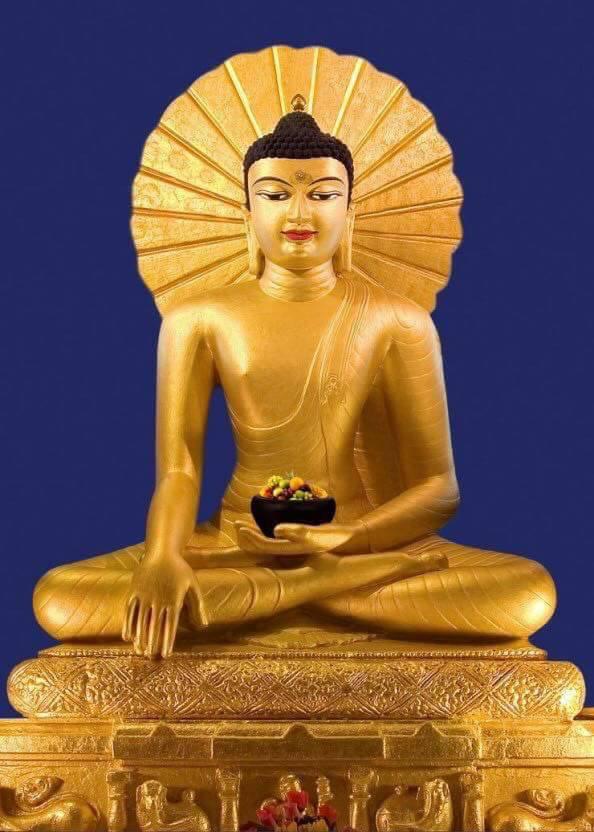
Gautama Buddha, born in Lumbini to a royal family, renounced his life of luxury after encountering the “Four Sights,” which revealed the reality of suffering. After years of meditation, he attained enlightenment in Bodh Gaya and began teaching the path to end suffering.
For 45 years, he traveled across northern India sharing the Four Noble Truths and the Eightfold Path. He passed away in Kushinagar at about age 80, entering Parinirvana.
Guru Rinpoche
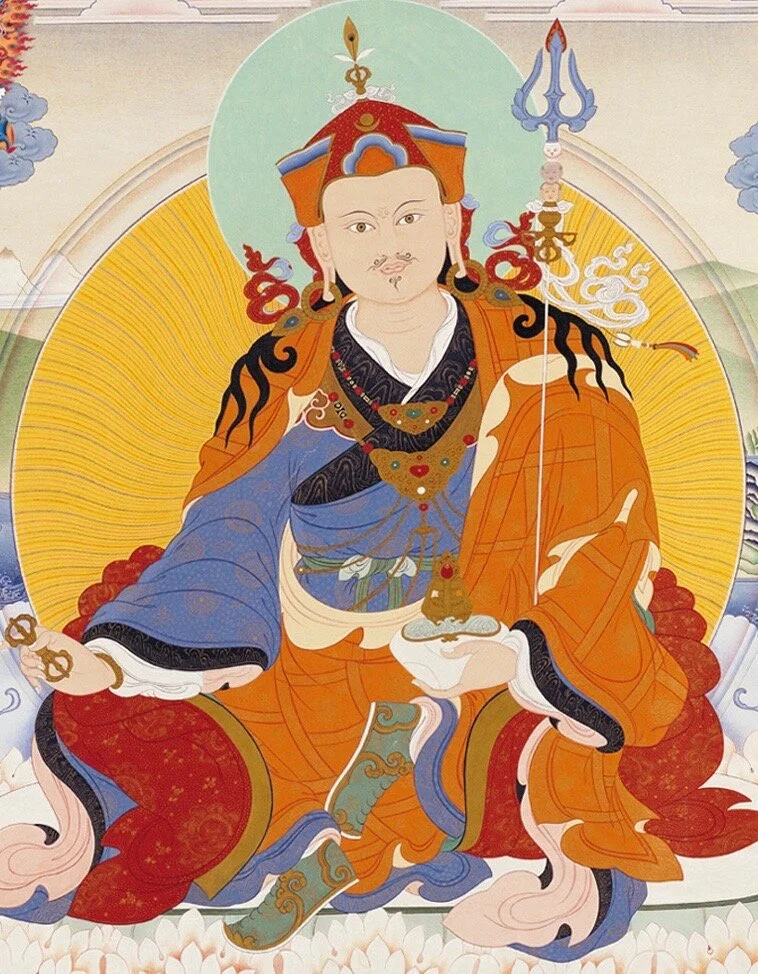
Padmasambhava, known as Guru Rinpoche (“Lotus-Born”), was an 8th-century master who played a central role in establishing Buddhism in Tibet. Invited by King Trisong Detsen, he helped build Samye Monastery and transmitted profound Vajrayana teachings.
Regarded as the founder of the Nyingma school and honored as the “Second Buddha,” he is believed to have concealed spiritual treasures (terma) for future generations.
Longchen Rabjam
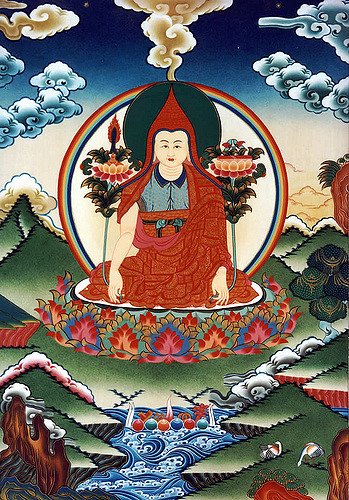
Longchenpa (1308–1364), known as “The Great Vast Expanse,” was one of the greatest masters of the Nyingma tradition. Regarded as an emanation of Manjushri, he clarified the profound teachings of Dzogchen with exceptional scholarship and realization.
His major works, including the “Seven Treasuries” and the “Three Trilogies,” remain central to the tradition and continue to guide practitioners toward recognizing the natural nature of mind.
Jigme Lingpa
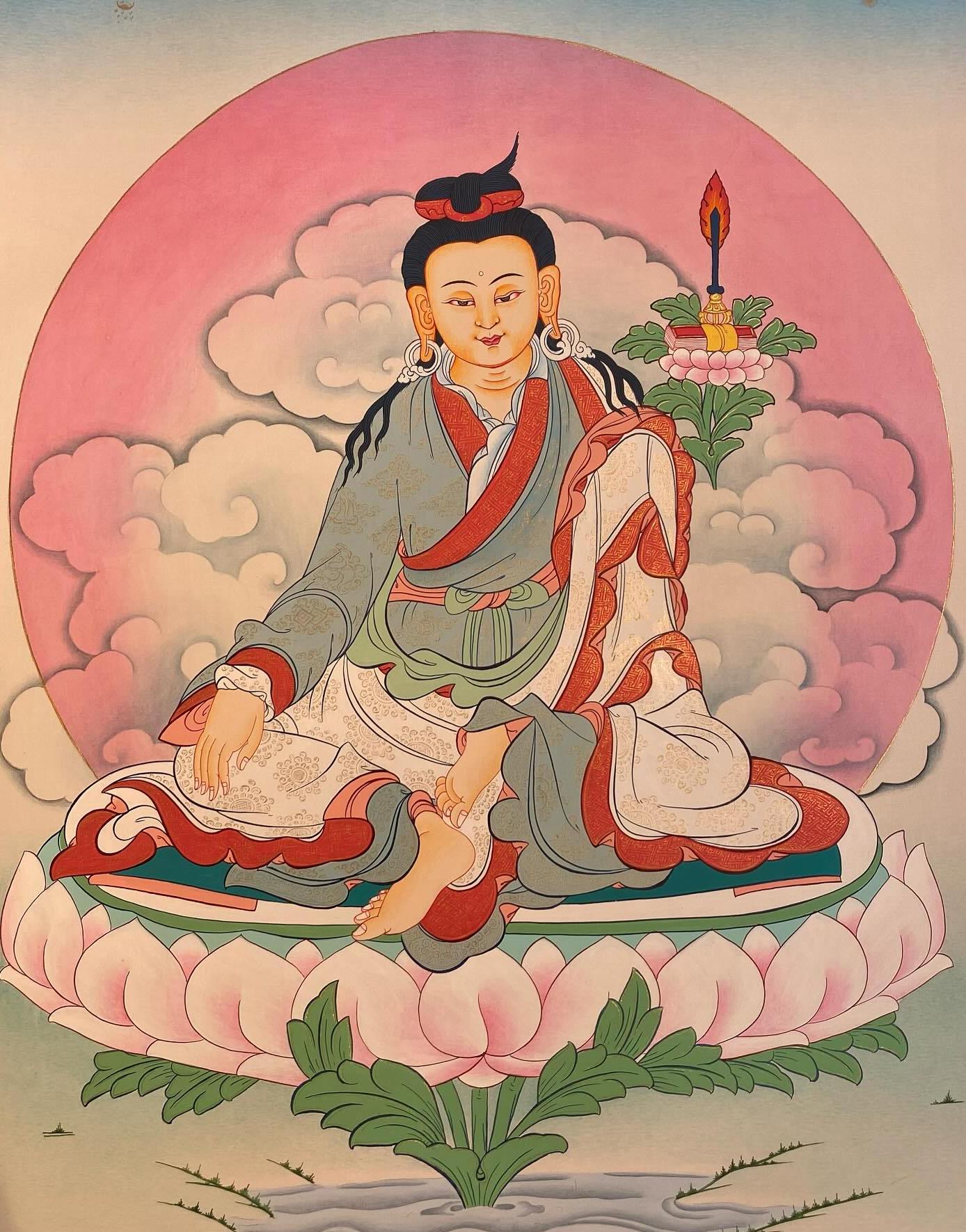
Jigme Lingpa (1729–1798) was a great master of the Nyingma tradition and the revealer of the Longchen Nyingthig, one of the most practiced Dzogchen cycles today.
Through visionary experiences, he received these teachings as mind-terma connected to Longchenpa. His works emphasize devotion, compassion, and direct recognition of the nature of mind.
Bodpa Tulku
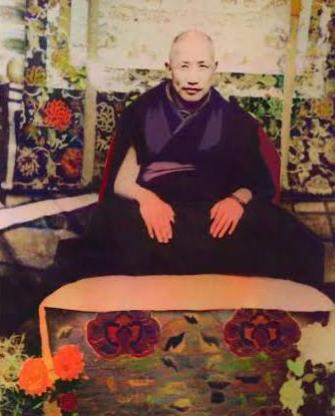
Bodpa Tulku Dongak Tenpe Nyima (c. 1898–1959) was a respected Dzogchen master of the Nyingma tradition, known for synthesizing the philosophical and tantric teachings of Jamgon Mipham.
After rigorous study at Dzogchen Monastery, he was recognized as a tulku and became renowned for his scholarship and commentaries on Prajñāpāramitā and Buddhist philosophy.
Mewa Khenchen Tsewang Rigzin
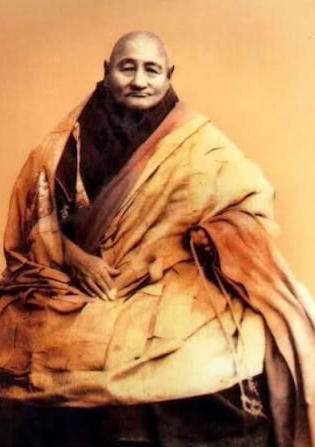
Mewa Khenchen Tsewang Rigzin is a senior scholar-practitioner of the Nyingma tradition, trained in the full monastic curriculum and influenced by Jamgon Mipham.
Renowned for his clarity in Madhyamaka and Dzogchen, he emphasized correct view (lta ba) as the foundation of practice and played an important role in preserving the Nyingma scholastic tradition.
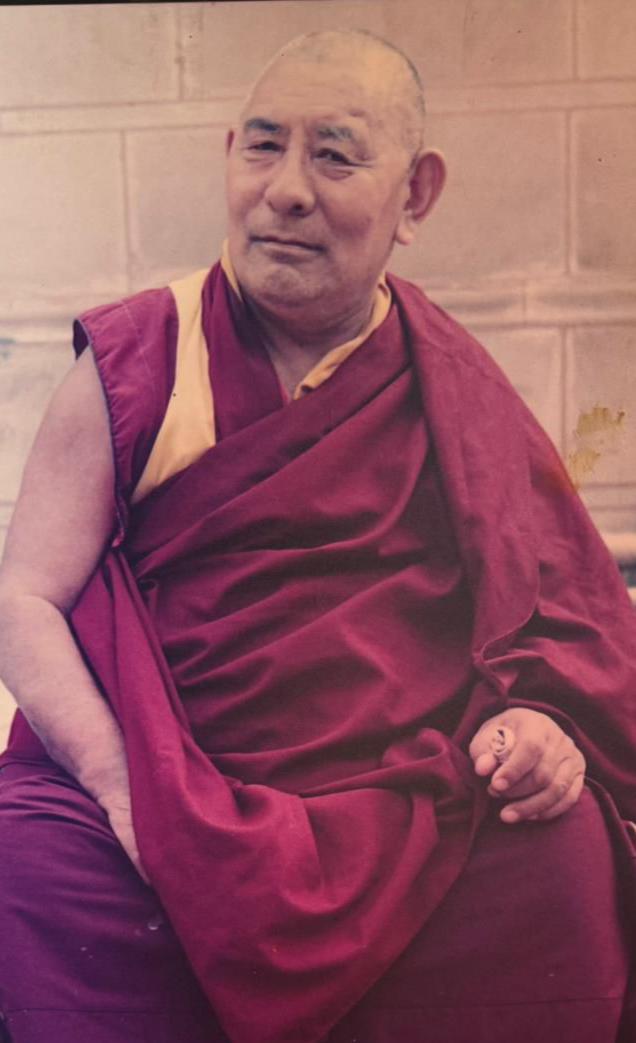
Mewa Khenpo Thupten
Mewa Khenpo Thupten Ozer Rinpoche (1928–2000) was a renowned Khenpo of the Nyingma tradition. Trained under Bodpa Tulku Dongak Tenpe Nyima in the teachings of Jamgon Mipham, he became a principal lineage holder and teacher in exile.
Although inclined toward retreat, he dedicated his life to educating hundreds of students—including Khenpo Sonam Rinpoche—and was especially known for his support of nuns and monastic education.